
large bathroom mirror
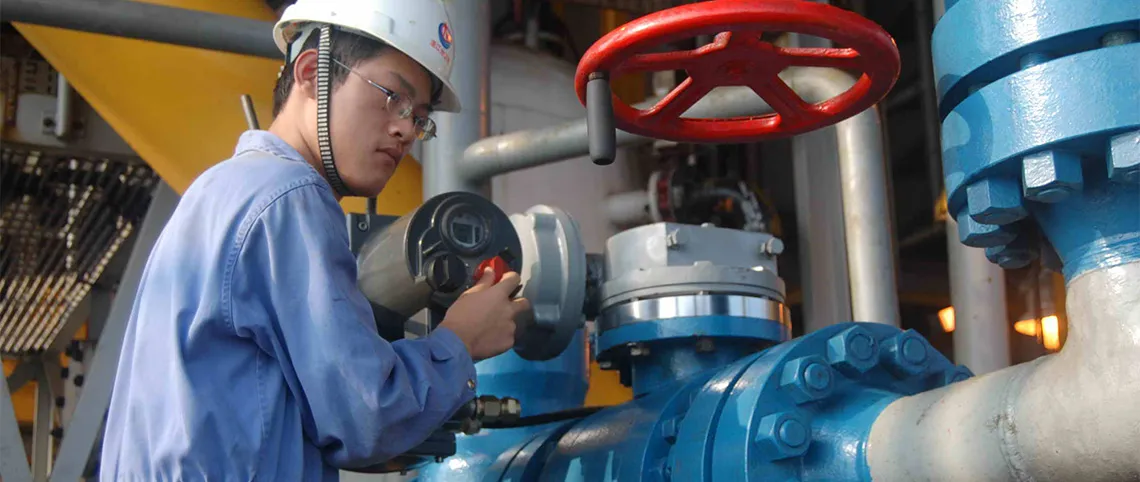
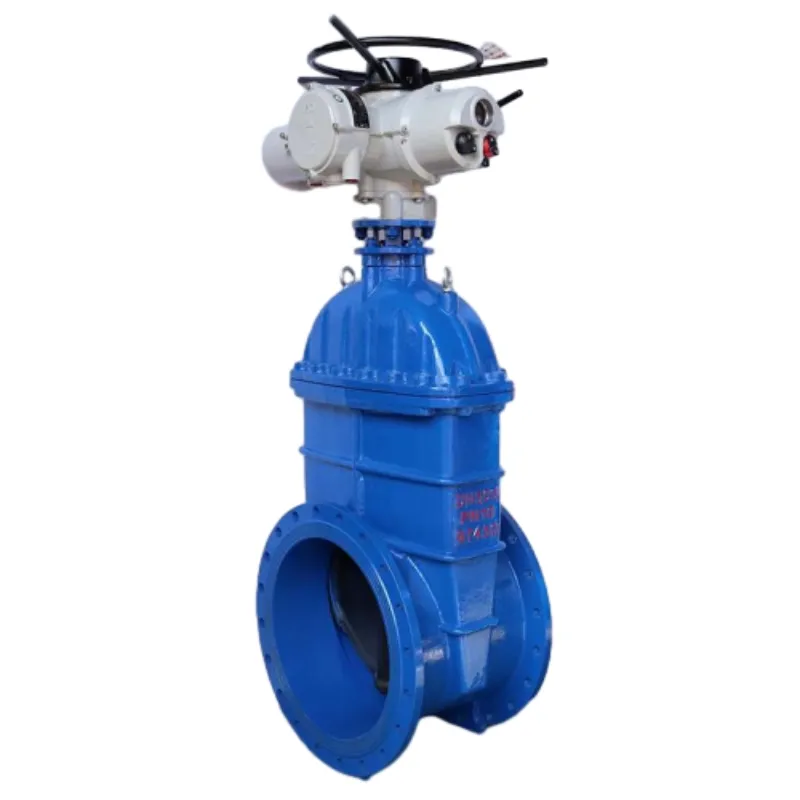
The global valve wholesale market is undergoing a significant transformation, driven by the escalating demand for corrosion-resistant metal valves . Industries such as oil and gas, chemical processing, and water treatment are prioritizing durability and longevity in their infrastructure, propelling the need for advanced metal valve solutions. This article explores the trends, materials, and innovations shaping the valve wholesale sector, emphasizing the strategic importance of corrosion resistance in modern industrial applications. The Growing Importance of Corrosion Resistance in Metal Valves Corrosion remains one of the most costly challenges in industrial operations, accounting for billions in annual maintenance and replacements. Metal valves exposed to harsh environments—such as seawater, acidic chemicals, or high-temperature fluids—require robust resistance to degradation. This has elevated the role of corrosion-resistant metal valves in valve wholesale markets, particularly for sectors like: Oil and Gas: Offshore drilling rigs and pipelines demand stainless steel or duplex steel metal valves to withstand saline environments. Water Treatment: Municipal systems use corrosion-resistant the valve designs to prevent lead contamination and leaks. Chemical Processing: Alloy valves resist reactive substances, ensuring operational safety. Wholesale suppliers are increasingly stocking metal valves with certifications, which validates performance in corrosive settings. This shift reflects a broader industry move toward preventive maintenance and lifecycle cost reduction. Key Materials Driving the Valve Wholesale Market The choice of material is pivotal in manufacturing corrosion-resistant metal valves . Below are the dominant materials in valve wholesale : Stainless Steel: Grades 316 and 304 dominate due to their chromium-nickel content, offering resistance to oxidation and chlorides. Duplex Steel: Combines austenitic and ferritic structures, providing double the strength of standard stainless steel. Titanium: Ideal for seawater applications, titanium metal valves resist pitting and crevice corrosion. Nickel Alloys: Excel in extreme pH and high-temperature environments. For wholesalers, material traceability is critical. Bulk buyers now demand mill test reports to verify composition, ensuring the valve meets project-specific standards. Supply Chain Challenges in Valve Wholesale for Corrosion-Resistant Valves Scaling valve wholesale operations for corrosion-resistant metal valves presents unique challenges: Raw Material Sourcing: Fluctuating prices of nickel and molybdenum impact production costs. Lead Times: Specialized alloys often require custom orders, delaying bulk shipments. Quality Assurance: Ensuring consistency across large batches of metal valves demands rigorous testing. To mitigate these, wholesalers are adopting strategies like: Strategic Stockpiling: Maintaining reserves of high-demand alloys. Supplier Partnerships: Collaborating with foundries for priority access to raw materials. Digital Tracking: Using blockchain to monitor the valve from production to delivery. A case study in the Middle East showed that digitizing procurement reduced lead times for duplex steel metal valves , underscoring the value of tech-driven supply chains. Technological Advancements in Metal Valve Manufacturing Innovations are reshaping how corrosion-resistant metal valves are produced and monitored: 3D Printing: Enables rapid prototyping of complex the valve geometries, reducing time-to-market. IoT Integration: Smart metal valves with embedded sensors monitor wear and corrosion in real time. Laser Cladding: Enhances surface resistance by applying corrosion-proof coatings with precision. These technologies allow wholesalers to offer customized valve wholesale solutions, catering to niche industries like geothermal energy or desalination plants. FAQ: Corrosion-Resistant Metal Valves in Wholesale Markets What industries drive demand for corrosion-resistant metal valves? Key sectors include oil and gas, chemical processing, water treatment, and maritime. These industries prioritize the valve designs that withstand harsh, corrosive environments. How do stainless steel and duplex steel differ in valve wholesale ? Stainless steel (e.g., 316) is cost-effective for moderate conditions, while duplex steel offers superior strength and chloride resistance, ideal for offshore valve wholesale needs. What certifications are vital for corrosion-resistant metal valves? These ensure metal valves meet safety and performance benchmarks. How can wholesalers reduce lead times for valve wholesale ? Building strategic partnerships with mills and adopting just-in-time manufacturing for valve wholesale orders can streamline production and delivery. Are smart metal valves gaining traction in wholesale markets? Yes. IoT-enabled the valve systems, which predict maintenance needs, are increasingly popular in oil refineries and smart water grids, driving bulk purchases. The surge in demand for corrosion-resistant metal valves is reshaping valve wholesale strategies worldwide. By prioritizing advanced materials, agile supply chains, and technological innovation, wholesalers can meet the evolving needs of industries reliant on durable, long-lasting the valve solutions. As global infrastructure modernizes, those at the forefront of this shift will secure a pivotal role in the market’s future. Moreover, the focus on sustainability and energy efficiency is further driving the demand for corrosion-resistant metal valves . Wholesalers who can offer eco-friendly and energy-saving valve solutions will have a competitive edge in the market. By staying ahead of regulatory changes and incorporating green technologies, they can cater to the growing consumer preference for environmentally conscious products. Additionally, enhancing customer service and after-sales support will be crucial in maintaining long-term relationships with clients and fostering loyalty.
about
large bathroom mirror
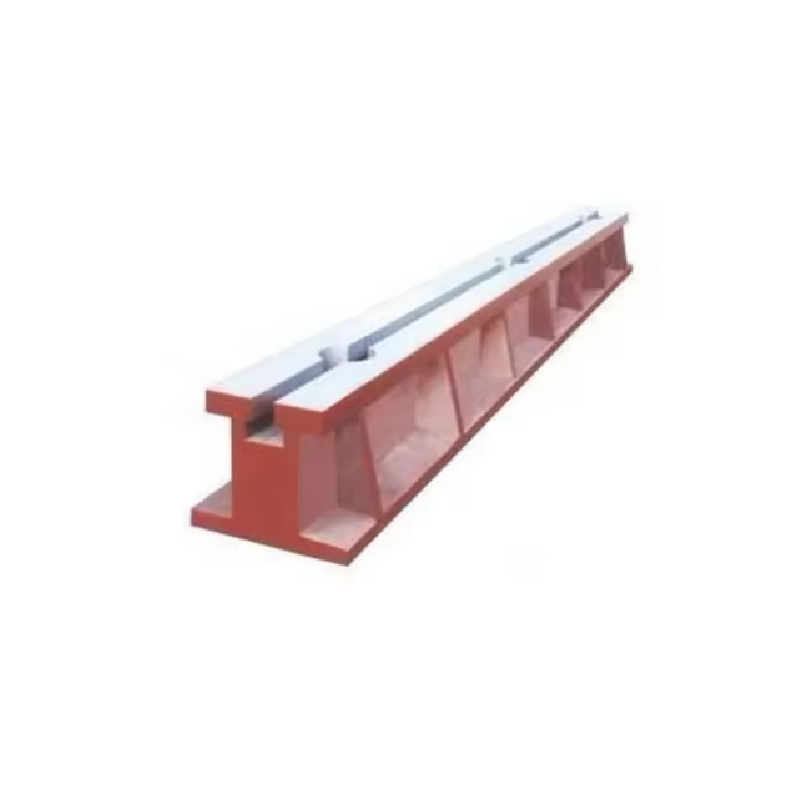
The Importance of Large Granite Surface Plates in Precision Engineering In the realm of precision engineering and quality control, large granite surface plates stand as indispensable tools. These flat, stable surfaces play a critical role in various applications, from simple layout work to the most complex machining processes. Their properties make them uniquely suited for ensuring measurement accuracy and facilitating the inspection of parts in manufacturing and engineering environments. Granite is a naturally occurring stone composed mainly of quartz, feldspar, and mica. Its inherent properties—such as hardness, strength, and resistance to wear—make it the ideal material for surface plates. The large granite surface plates are particularly valued for their ability to provide a stable reference plane that ensures precision during various measurement processes. They are often used in conjunction with other measuring tools like calipers, micrometers, and gauge blocks, forming a complete quality assurance system in a workshop. One of the most significant advantages of large granite surface plates is their superior flatness and rigidity. Precision granite surface plates are meticulously manufactured to meet tight tolerances that can be critical in engineering applications. A highly flat surface reduces the margins for error in measurements and ensures that components are machined accurately according to specified dimensions. This accuracy reduces the likelihood of assembly problems later in the production process, thereby saving time and resources. Additionally, large granite surface plates are resistant to thermal expansion and contraction, a phenomenon that can affect measurements if temperatures fluctuate. Unlike metal plates, which can change dimensionally with temperature variations, granite remains stable under varying conditions . This stability is vital in environments where precision is paramount, such as aerospace and automotive manufacturing, where even the slightest errors can lead to catastrophic failures. large granite surface plate Another essential feature of granite surface plates is their resistance to corrosion and chemical damage. While metal surfaces might corrode or rust when exposed to moisture or various chemicals, granite remains unaffected. This property allows for their use in a range of environments, including those involving fluids or corrosive materials. By maintaining their integrity over time, large granite surface plates contribute to a prolonged lifespan of measuring tools and equipment, reducing maintenance costs for manufacturers. Furthermore, the surface of granite plates can be polished to an incredibly fine finish, enhancing their performance. A smoother surface means less friction when placing or sliding other tools across them. This property not only protects both the granite surface and the measuring tools from wear but also allows for smoother operation, facilitating precision tasks with ease. In addition to their functional benefits, large granite surface plates are often visually appealing, characterized by their natural patterns and colors. This aesthetic quality makes them not only practical equipment but also a notable feature in engineering and inspection facilities. Many workshops choose to showcase their granite plates as a testament to their commitment to quality and precision. To ensure that these tools maintain their accuracy over time, it is essential to care for large granite surface plates properly. Regular cleaning with non-abrasive materials and periodic calibration checks are crucial practices. Operators should also be trained in proper handling techniques to prevent chipping or damage, ensuring that these plates retain their precision characteristics for many years. In conclusion, large granite surface plates are a cornerstone of precision engineering, offering exceptional flatness, durability, and resistance to environmental factors. Their advantages in measurement accuracy, stability, and longevity make them invaluable assets in manufacturing and inspection settings. As technology continues to evolve, the role of granite surface plates remains crucial in maintaining the high standards required in modern engineering. Whether in high-tech industries or traditional manufacturing, these tools stand as a testament to the importance of precision in achieving quality outcomes.
-

High quality industrial productsagement

High quality industrial products
View Details -

Meet the diverse needs of customers

Meet the diverse needs of customers
View Details -

Strict quality control

Strict quality control
View Details -

Top raw materials

Top raw materials
View Details -

Trusted supplier

Trusted supplier
View Details
Our application
news and information
ventil metall
Valvemetaller En Djupdykning i deras Egenskaper och Användningar Valvemetaller är en viktig klass av

Veden sulkuventtiilin paikantaminen käytännön vinkkejä ja ohjeet
Veden sulkuventtiilin löytäminen Opas ja vinkit Veden sulkuventtiili on olennainen osa kodin vesijär
water shut off valve
Understanding Water Shut-Off Valves A Homeowner's Guide Water shut-off valves are an essential compo
 English